

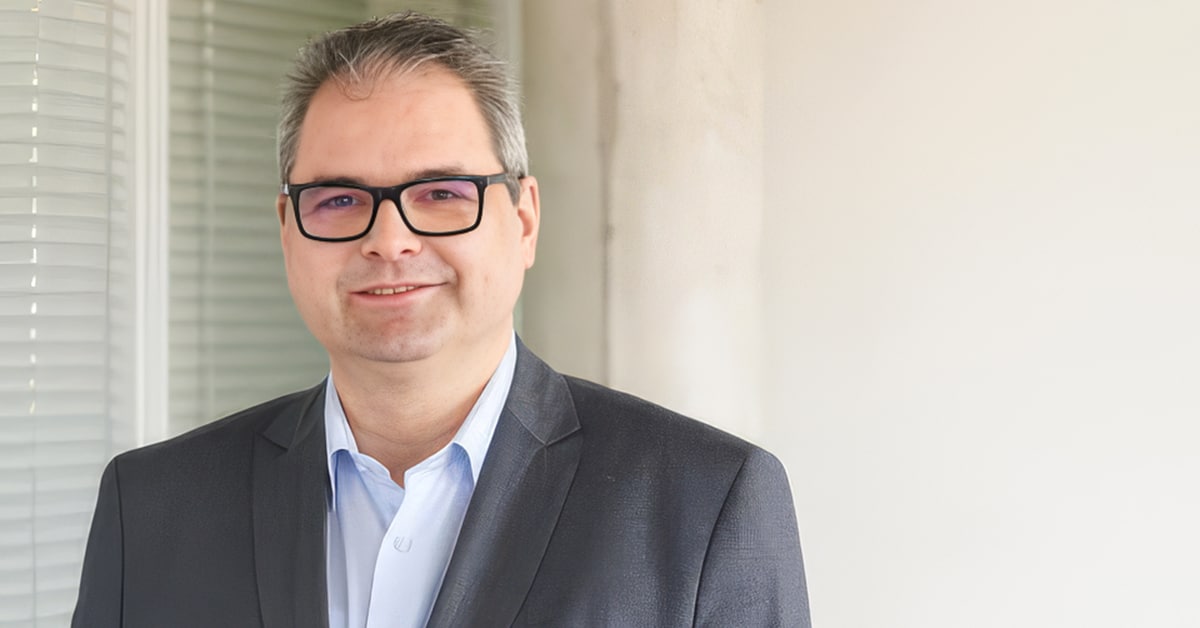
Arriving in Cannes with a history doc slate that includes America’s Wars, Nikolas Hülbusch, Director Unscripted at ZDF Studios, shares his perspectives on trends in the genre.
What trends are you seeing in historical docs today? They seem to be particularly in demand. What new narrative techniques and approaches are audiences and buyers responding to?
History is certainly proving very resilient. I think one reason is that the best historical documentaries no longer feel as though they are simply looking backward. They use the past to illuminate questions we face today. That can be geopolitics, identity, power, technological change or even the way societies respond to crises.

At the same time, the visual language of history programming has evolved enormously. Archive material remains incredibly powerful, but producers are finding new ways of working with it through restoration and colorisation, graphic visualization, and various CGI techniques to bring ancient photographs to life in order to make historical material feel much more immediate. In some cases, studio reenactments can be replaced by AI scenes, but we use that means very carefully and only where it makes sense in terms of the storytelling, not for its own sake.
We are also seeing more genre-blending—history combined with investigation, science, archaeology, mystery or even elements of true crime. Buyers want a clear proposition and a strong narrative engine. Simply having an important historical subject is no longer enough; you need to find a fresh way into the story.
What other trends are you seeing in the factual distribution landscape at large today?
The market has definitely become more selective. Buyers are under greater budget pressure, and there are fewer automatic commissions or acquisitions, so every project needs to make its case very clearly. At the same time, demand for strong factual programming has not disappeared at all. History, science, natural history, current affairs and other established factual genres continue to work particularly well when there is a distinctive hook, strong access or genuine international relevance.
We are also seeing the financing and distribution models becoming more international. Co-productions, presales and early partnerships between producers, broadcasters and distributors are increasingly important. And there are more potential windows for factual content than ever before, from traditional broadcasters and streaming services to AVOD and FAST platforms.
For us, that makes international collaboration even more important. The aim is not simply to have more content, but to identify projects early that are distinctive enough to cut through and strong enough to work across different territories and platforms.