


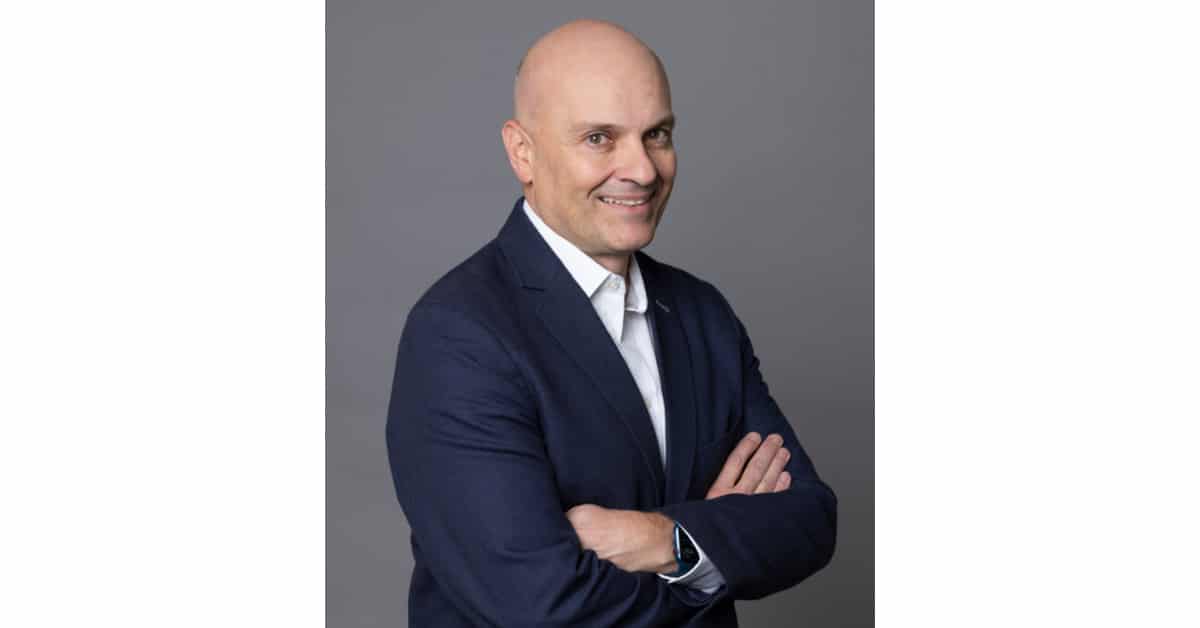
Mark Reynolds, global head of documentaries and factual at Fremantle, outlines the company’s approach to premium factual and doc co-productions and weighs in on meeting the demand for pop culture and true-crime docs.
At Fremantle since 2024 following a long run at BBC Studios, Reynolds has been scaling the company’s positioning in the premium docs space across a wide range of genres. Ahead of MIPCOM, he shared his thoughts on the state of the global factual market with ScreenMDM.

Which factual sub-genres are you seeing the strongest buyer appetite for right now, and has that mix shifted noticeably in the past 12 to 18 months?
Over the last year, there hasn’t been a significant shift, with true crime and popular culture, in particular, continuing to resonate with audiences. Death of the Pastor’s Wife, a co-production between Fremantle’s Silvio Productions, Crazy Legs Productions, and The Cinemart, is a perfect example. It amassed 19 million views in its first week, and as of September, it was the number one non-scripted launch of 2026 on Netflix. Its success reinforces the global appeal of this sub-genre and the opportunities it presents to the market. We have also seen continued demand for documentaries that center around pop culture and global music icons. This includes recent titles such as Billy Idol Should Be Dead and Eddie Cochran: Don’t Forget Me, which provide unique access to timeless music icons, alongside titles that continue to see strong global sales like Elizabeth Taylor: Rebel Superstar, The Michael Jackson Story, and Dolly Parton: Here I Am, with broad appeal to audiences around the world. These new titles follow the success we’ve seen around Fremantle films such as the multi-award-nominated DEVO and It’s Never Over, Jeff Buckley. Biographies, music documentaries and nostalgia pieces continue to be sought after.
However, there is also an appetite for other sub-genres, which cannot be overlooked, including content that explores the changing world around us. Ultimately, rather than being solely about the genre, it’s about the distinctiveness of the idea, the unique access you’re able to bring, the strength of storytelling, and IP that resonates globally.
How is Fremantle approaching the financing strategies for factual/documentary projects today across presales, co-production treaties, streamer commissions and gap financing? Has the balance between these tilted in any particular direction as budgets tighten?
We approach every project with a bespoke strategy that is specific to the editorial and production scale of the IP. For example, the more ambitious projects sometimes require multiple sources such as co-production/presales, tax credits and foundation funding. This means there is lots of opportunity for collaboration and innovative funding models to realize producers’ creative ambitions.
How central are FAST channels and AVOD platforms to your factual distribution strategy now versus two or three years ago, and are you structuring rights deals differently to accommodate that windowing?
FAST and AVOD play a critical role in the long-term strategy for factual content. Our distribution approach is about ensuring we maximize the revenue potential of all our content through a flexible windowing strategy and deal-making. While windowing agreements vary IP to IP, in the last few years there has been an increased awareness of the mutual benefits FAST and AVOD can deliver to a title.
What role are international co-productions playing in de-risking factual titles, and are there particular territories or partners you’re finding especially valuable right now?
Co-productions have always been an important part of the funding plan, especially for ambitious projects, and deliver bespoke versions tailored to the partners’ audience needs. Europe and the U.S. continue to be important markets, and this often involves working with PSBs. Our recent collaboration with France TV demonstrates this approach, having partnered on titles including The Zelensky Story, The Michael Jackson Story, and Earth’s Magic Moments (w.t., formerly known as An Hour on Earth).
However, a key part of forming successful co-productions is letting the editorial content dictate the suitability of partners. This also creates opportunities to collaborate with partners in other territories where there is a strong alignment.
Given how crowded true crime has become across platforms, do you see continued room for growth in that space, or are you advising producers to diversify into other sub-genres to stand out?
True crime continues to be popular, and I don’t expect this to go away anytime soon. We have a strong portfolio of true crime, including Evil Influencer: The Jodi Hildebrandt Story (Fremantle North America), Cold Case: The Tylenol Murders (Fremantle’s Silvio Films), and Chompoo: Lost and Forgotten (Fremantle’s Beach House Pictures and Thai Film Works). True crime and investigative documentaries still have the power to bring global media attention to a subject and create real talkability—which we’ve recently seen with the legal case in Whatever It Takes: Inside The eBay Scandal and also the shocking story in Death of the Pastor’s Wife. Each project stands out as it has a unique story and distinctive way of telling it. Ultimately, this is what matters the most in every genre. It’s about playing to your strengths and backing ideas that an audience can relate to.
How do you see opportunities for engaging with brands, tourism boards, NGOs and others to help finance shows?
At Fremantle, we recognize the opportunity that branded entertainment offers. Lydia Goomansingh, SVP and global head of branded entertainment, joined earlier this year and is building on our activity in this space.