


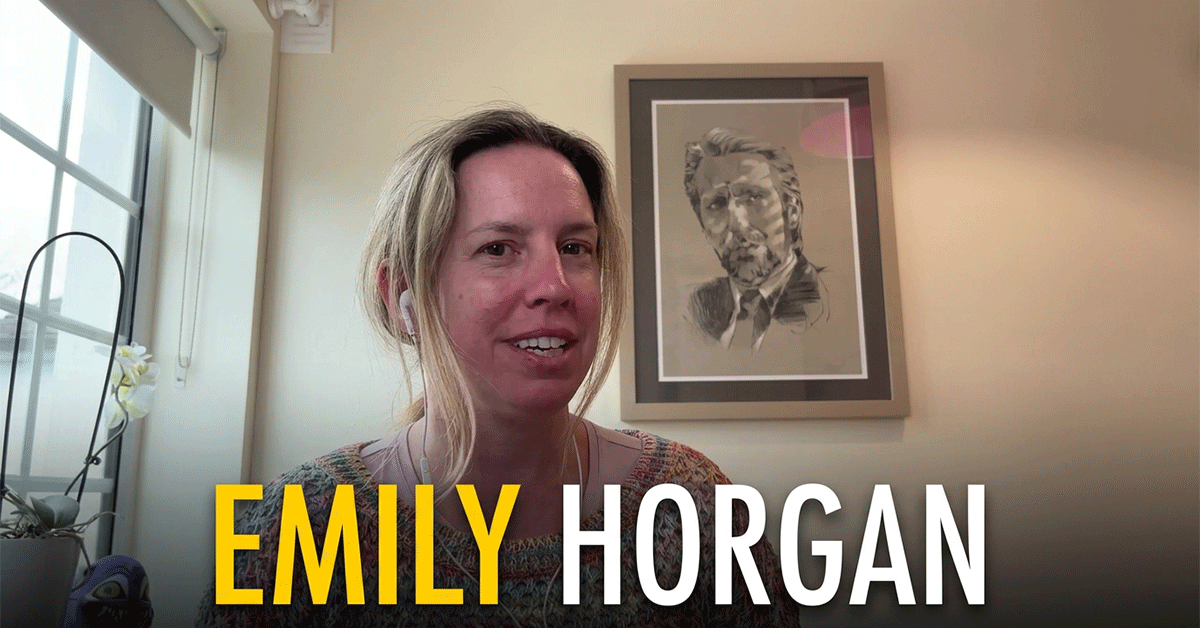
On the heels of releasing the latest edition of her data-rich Netflix Kids Content Performance Report, Emily Horgan, media consultant and author of The Kids StreamerSphere newsletter, joins ScreenMDM Talks to kick off the April edition of its Gen A to Z strand.
Horgan released the H2 2025 Netflix Kids Content Performance Report, her fifth, a few weeks ago, studying how kids’ content is performing on the service. The emergence of preschool as the most fiercely contested category, the impact of the creator economy, and the implications of the Warner Bros. Discovery-Paramount merger are all explored in the report, Horgan tells ScreenMDM Talks as we kick off the April edition of our Gen A to Z strand.
You can watch the entire episode on our YouTube channel—which features a dedicated Gen A to Z Playlist—or on Spotify. Important disclaimer: this podcast was recorded before this week’s massive news about the end of Kidscreen Summit.
“Netflix has been doing these data drops for six rounds—they drop six months of engagement data for usually 15,000 plus different individual seasons,” Horgan says of how her report came to be. “The first one dropped, and I was like, there’s so much detail in here, wouldn’t it be good if somebody did something productive with that? And then the second one came around, and it scratched my brain. The one thing I’ve learned about tracking data since I’ve become an independent consultant is that you need to track it consistently. If you try to jump in and jump out, you’re going to get a little something, but you’re never going to get something that’s directed. I got a little bit of funding from the Local Enterprise in Ireland to invest in the report. That gave me the comfort to go and take the entrepreneurial risk and set this up. And you know, five editions in, I’m so confident of the value of it. Every single time we go swimming in the data, we find something that we weren’t expecting.”

In that “foraging,” a particularly fascinating insight for Horgan was the “emergence of family content,” such as Man vs. Baby, a dialogue-free comedy with Rowan Atkinson. “It has that really broad target. It has that nostalgia value, that interest for parents, and a structural discoverability advantage because it’s being served in both the adult and kids sections. That family-focused content rather than kid-focused content is something that has implications across lots of different things.”
Horgan also weighed in on the decline of CoComelon, even though it remains a huge engagement driver, while Little Angel, another Moonbug Entertainment show, has seen a resurgence.
“The thesis we were looking at was, maybe these nursery rhyme IPs burn brightly and then decline. But actually, because we’re seeing this resurgence with Little Angel, something different is happening”—including that brand’s broader global resonance, while CoComelon is being driven by English-language territories.
Other YouTube-originated IPs are doing well on Netflix, notably Ms. Rachel, Horgan noted.
The top kids’ show on Netflix in the period was Paw Patrol, Horgan said as she weighed in on the potential implications of a Warner Bros. Discovery and Paramount merger. “Paramount/Warner is better for the kids’ industry than Netflix/Warner because Paramount has a legacy of building kids. The coming together of Nickelodeon and Cartoon Network feels much more comfortable and aligned from a brand perspective than anything else. Legacy kids’ assets in the landscape are extremely valuable. Even as these IPs are getting older, they’re being passed down, and they’re also getting some incremental comfort viewing.”
As such, folks with new ideas need to be super cognizant of what they’re up against. “If I’m going to put another IP in this room, is there space? How do I take up space from these massive franchises that are already dominating? If you’re going to take a swing with the new IP, you really need to mean it, and you need to do it properly.”
The über-competitive preschool landscape, Horgan noted, “remains one of the most quantifiable segments. As kids get older, what they’re into just diversifies so vastly that finding the big thing can be quite difficult. Some of these legacy assets, like SpongeBob and Teen Titans Go, are fresh enough for kids today to get into, but they’re benefiting from comfort watching by teenagers and they have that heritage hand-me-down factor from Gen Z parents.”
On where the kids’ business finds itself today—again, this was recorded pre the demise of Kidscreen Summit—Horgan is relying on her “positive pragmatism” as the segment continues to rebuild from a challenging few years.
“This year, there’s been a bit of clarification, maybe distillation. There’s still a lot that needs to happen in the kids’ industry in terms of understanding where regulations will sit on platforms like YouTube. That’s the other shoe that we’re waiting to drop.”
Ignoring YouTube, meanwhile, is not an option. “If you’re not doing stuff on YouTube, you’re risking your business. If your entire business model is predicated on chasing a commissioner down a hallway at a conference, then you’re at risk. The producers I’m most excited to speak about are those who are trying to do things in parallel. We have to keep fighting. The audience is too important.”


