


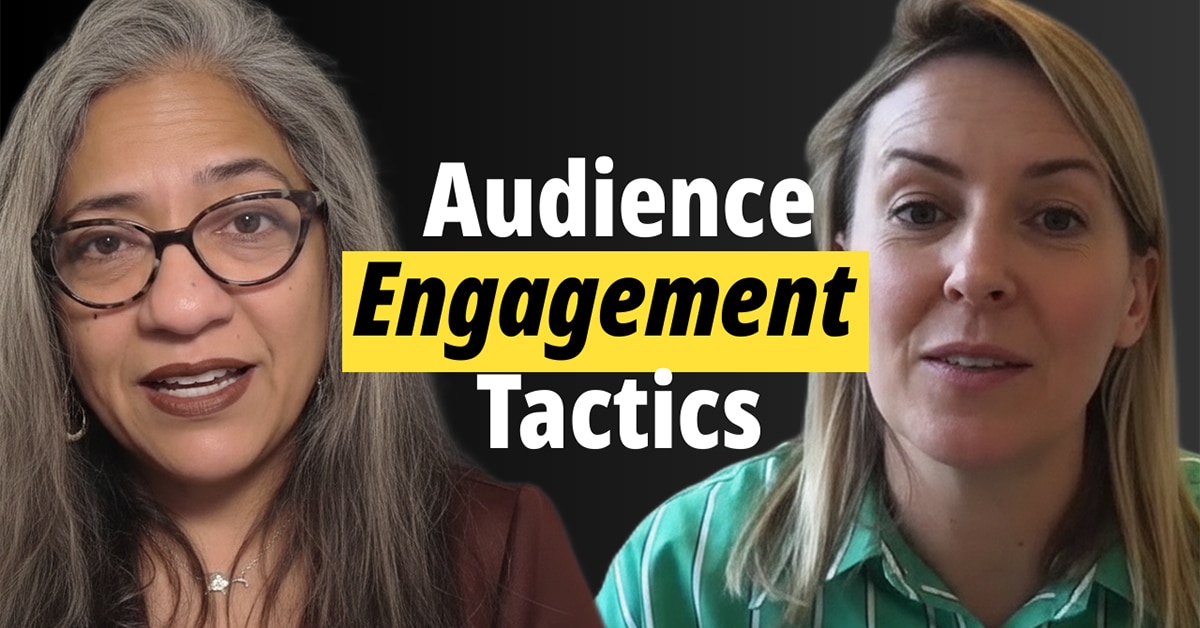
“We are the kids’ TV network of today,” Kate Smith, EVP for audience engagement at WildBrain, told me in ScreenMDM’s latest Gen A to Z podcast strand as we discussed how the kids’ and family powerhouse has harnessed opportunities on YouTube.
In the rapidly shifting landscape of children’s media, “audience engagement” is no longer just a buzzword—it’s an essential strategy. Smith oversees WildBrain’s holistic efforts for engaging with audiences wherever they are, from content sales to FAST, AVOD, a sprawling YouTube network, the Media Solutions ad-sales team, and digital marketing channels.


From the nostalgia-fueled resurgence of Strawberry Shortcake to the leanback engagement of FAST channels and the untapped potential of the “kidadult” market, Smith breaks down how the industry leader is using data, analysis, and gut instincts to build affinity for its deep stable of IP.
Whether you’re curious about why “broadcast-length” content is winning on digital platforms or how to navigate the fragmented world of Roblox, this conversation offers a masterclass in reinventing business models and understanding the new monetization metrics of the kids’ business.
Watch on YouTube below or on Spotify. Audio version available on Amazon Music.
“The way we think about it around our franchises is, how do we use the data across our digital network and marketing to show awareness, affinity, engagement, or conversion? We have a unique view of what families are watching, and we see in real time what kinds of content they’re watching, where they’re watching it, and how long they’re watching. All of that creates a basis to monetize it and offer it to advertisers. We have premium, often broadcast-quality TV content and a very large, broad, deep library. We have this big network, and it’s a really good placement for advertisers.”
That big network is WildBrain’s extensive, nearly decade-old YouTube presence within its overall audience engagement activities. “We’ve always looked at where best to use the rights for sales or upload to YouTube. We started with a wealth of content to upload onto YouTube. We experimented, we received feedback from the platform, and now we are one of the largest kids and family partners working directly with YouTube. A large amount of our network is our own channels, our own franchises, but we also work with strategic third parties such as The Smurfs and Spin Master.”
I spoke with Smith about the company’s activities around Strawberry Shortcake, which she will discuss at Toy Fair on a panel about nostalgic brands. WildBrain is refreshing the IP in CGI for a slate of original digital content that will land on YouTube and other social platforms. The lineup includes The Berry Best Baking Show, a live-action/animation hybrid baking show with 3- to 5-minute episodes; 26 CG shorts coming to YouTube later this year; and 52 microshorts (under 15 seconds) for YouTube and other social platforms. The collection also includes 1-hour mood-setting videos.
“It’s a new approach to thinking about your content strategy when you’re trying to get the most out of that investment into the content. There are different formats for delivering content to YouTube, whether verticals, live streams, or full premium episodes. The thing I find so reassuring is that, actually, across our network, some of the deepest engagement is from broadcast-length videos.”
Long-form engagement is also happening on WildBrain’s extensive slate of FAST channels. “We have a sizable footprint across all the different platforms. We have the largest number of kids’ FAST channels: we’re up to about 180, all single-IP channels, and you can localize them into different languages. We’ve seen very high engagement. This is an engaged audience; it’s premium content. The advertising dollars are not flowing yet through to this TV-like experience. That’s something I think we will start to see coming in.”
As for the “traditional” licensing ecosystem, buyers are buying, Smith said, “they’re just being more selective, and they are gravitating towards known IP, where there’s built-in demand from an audience.”
Notwithstanding the sector’s challenges, Smith remains committed to and optimistic about children’s content. “Kids represent future behaviors. We’re watching what is going to come. What excites me is that because we have this position across audience engagement and licensing, we see these trends playing out across the kids’ industry. I think the intersection of them is really interesting. The thing that needs to be addressed is the monetization of kids’ content on digital platforms. That can be improved. The ad dollars are still lingering in these TV commitments. So we’ve got to keep working towards convincing brands that families are a very valuable audience to influence at the start of your journey and that you’re missing out if you don’t have a strategy to engage kids and families where they’re watching, at the right moments.”